Understanding gambling addiction A guide to awareness and prevention
What is Gambling Addiction?
Gambling addiction, also known as compulsive gambling, is a behavioral disorder characterized by an uncontrollable urge to gamble despite the negative consequences. Individuals struggling with this addiction often prioritize gambling over personal relationships, work, and even their own health. The thrill of winning can create a cycle of dependency, where the person chases losses, leading to further financial strain and emotional turmoil. Understanding the root causes and signs of gambling addiction is essential for those affected and their loved ones. If you want to explore resources for recovery, you can begin here and start your journey towards healing today.
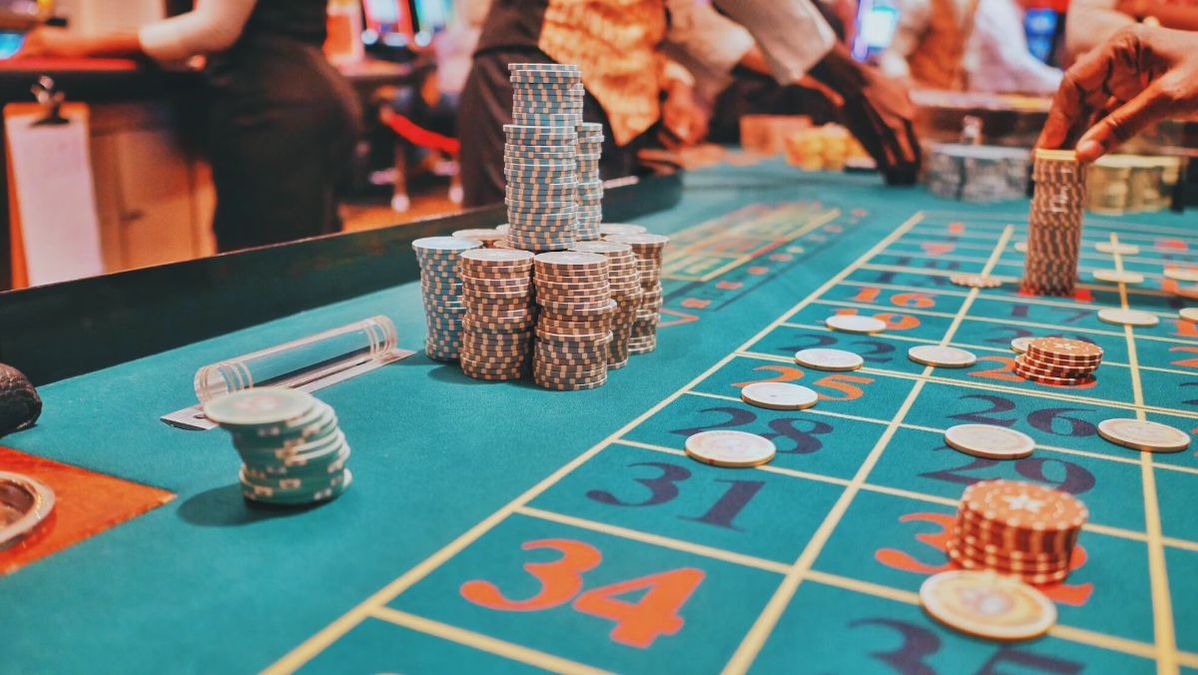
This addiction can manifest in various forms, from playing cards and betting on sports to online gambling platforms. The rapid growth of technology has made gambling more accessible than ever, particularly through mobile applications and websites. This easy access can heighten the risk of addiction, especially for vulnerable individuals who might not have previously engaged in gambling activities. Recognizing gambling addiction early is crucial for effective intervention and support.
Symptoms of gambling addiction can vary widely, but common signs include an inability to stop gambling, preoccupation with gambling, and a tendency to lie about gambling habits. Financial difficulties are often a direct result, with many compulsive gamblers accumulating significant debts. Furthermore, the psychological aspects can include anxiety, depression, and feelings of hopelessness, which can perpetuate the cycle of addiction. Understanding these elements is key to raising awareness and fostering a supportive environment for recovery.
Recognizing the Signs of Gambling Addiction
Recognizing the signs of gambling addiction can be challenging, especially as many individuals may attempt to conceal their behavior. Some common indicators include spending excessive time and money on gambling activities, neglecting responsibilities, and experiencing mood swings related to gambling outcomes. These signs may evolve over time, making it important for friends and family to remain vigilant. Awareness of these symptoms can aid in early detection, allowing for timely intervention.
Another critical sign is the development of a “chasing losses” mentality, where the individual continues to gamble in an attempt to recoup previous losses. This behavior can lead to a vicious cycle of escalating bets and deeper financial woes. Additionally, a person may experience withdrawal symptoms when not gambling, including irritability or restlessness, indicating a physical and emotional dependence. Identifying these behaviors early can encourage individuals to seek help before the addiction worsens.
Engaging in open conversations with those who may show signs of gambling addiction is essential. Families and friends should approach the topic sensitively, expressing concern without judgment. Providing a safe space for discussion can help the individual feel understood and supported, making it easier for them to acknowledge the issue and seek help. By creating an environment of awareness, friends and family can play a vital role in the recovery journey.
The Impact of Gambling Addiction
The impact of gambling addiction extends beyond the individual, affecting families, friends, and communities. Financial instability is a primary consequence, often resulting in severe debt, bankruptcy, and the loss of assets. This financial strain can create tension within relationships, leading to arguments and, in some cases, separation or divorce. The emotional toll can also be significant, as shame and guilt can lead to isolation from loved ones, exacerbating the problem.
Moreover, gambling addiction can lead to various mental health issues, including anxiety, depression, and substance abuse. The stress from financial struggles and familial tensions may push individuals toward unhealthy coping mechanisms, such as alcohol or drug use. This interplay between gambling addiction and other mental health issues complicates the recovery process, requiring comprehensive treatment plans that address both gambling behaviors and underlying psychological conditions.
Communities also bear the burden of gambling addiction, as increased gambling-related issues can strain public services and resources. This can manifest in higher rates of crime, such as theft or fraud, driven by the desperation to fund gambling habits. Community outreach programs aimed at raising awareness and providing support services can help mitigate these impacts, fostering a more informed public and promoting recovery options.
Strategies for Prevention and Recovery
Preventing gambling addiction involves education and awareness. Effective programs should aim to educate individuals about the risks associated with gambling and promote healthy decision-making. Implementing school-based programs that teach the dangers of gambling can empower young people to make informed choices. Additionally, community workshops and seminars can help spread awareness among adults, particularly those in high-risk environments.
For those already struggling with gambling addiction, a variety of recovery strategies exist. Professional counseling and support groups, such as Gamblers Anonymous, provide crucial support for individuals seeking to overcome their addiction. These groups foster a sense of community among individuals who share similar struggles, allowing for shared experiences and healing. Integrating therapy into recovery can also be beneficial, addressing the emotional and psychological underpinnings of the addiction.
Incorporating healthy coping mechanisms, such as mindfulness practices and physical activities, can support recovery efforts. Encouraging hobbies and interests outside of gambling can help individuals rediscover passions and rebuild their lives. Furthermore, establishing a strong support network of friends and family is essential to provide ongoing encouragement and accountability throughout the recovery journey.

About Our Website
Our website is dedicated to raising awareness about gambling addiction and providing resources for those affected. We believe that education is a powerful tool in the fight against this addiction. Through our comprehensive articles, informative guides, and resource links, we aim to empower individuals and families with the knowledge they need to recognize and address gambling addiction effectively.
We prioritize a compassionate approach, understanding the emotional challenges that accompany addiction. Our team is committed to curating content that not only informs but also supports those in need. By fostering a community of understanding and awareness, we hope to contribute to the prevention and recovery of gambling addiction. Together, we can make a difference and help those struggling find a path to a healthier and more fulfilling life.